Shingles, tabs, and fastener lines
We look for creasing, lifted edges, missing shingles, exposed nails, and pattern issues that can point to wind damage, improper installation, or age-related brittleness.
Serving Marianna, Florida & surrounding areas
Mon–Fri 8am–6pm · Sat 9am–2pm
Roof inspection in Marianna, Florida
Get a clear, photo-documented assessment of your roof's condition, likely leak points, and practical next steps before small problems turn into costly repairs.
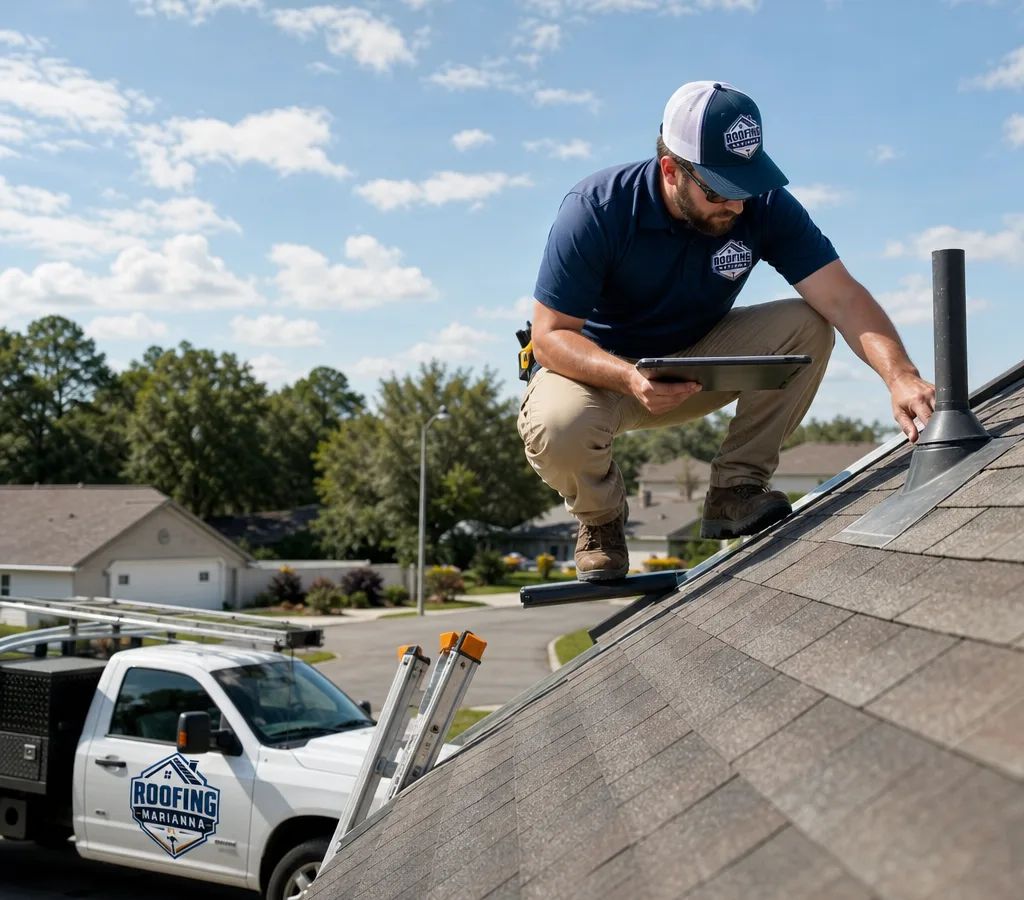
Know what is sound, what needs attention, and what can wait.
If you are searching for roof inspection Marianna FL services, you are usually trying to answer one question: is my roof still doing its job, or is a leak, wind damage, or age-related wear starting to win?
A proper inspection is more than a quick glance from the yard. We check the roof system as a whole: the surface materials, the edges and transitions where leaks start, and the areas that take the most stress in Florida weather. You will receive a straightforward summary of what we found, photos of concerns when we can safely capture them, and recommendations based on severity: monitor, repair soon, or plan for replacement.
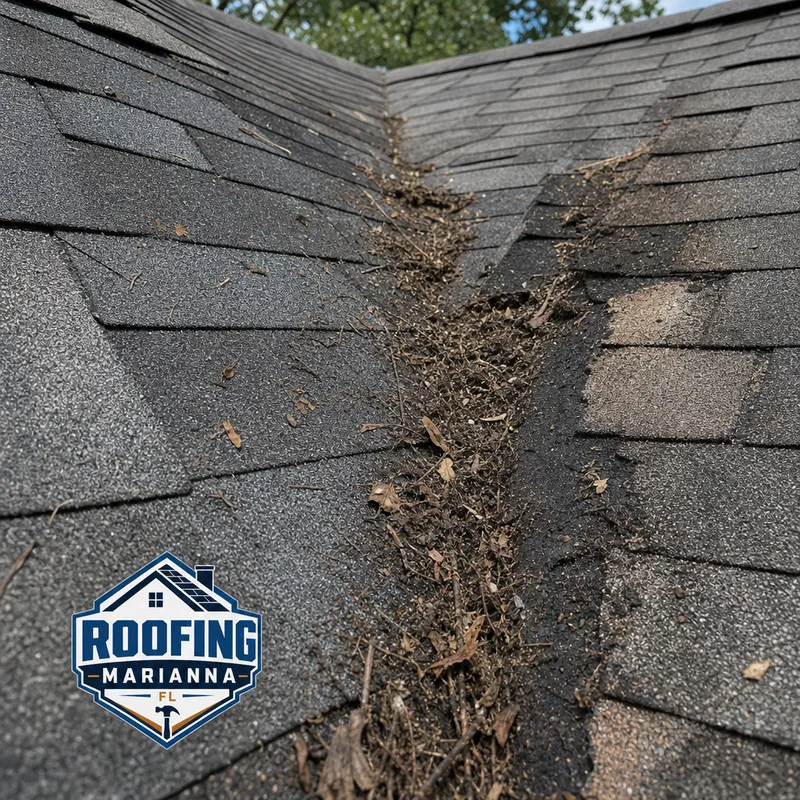
Roofing Marianna FL inspects common residential roof types seen around Jackson County, including asphalt shingle and many low-slope roof sections found on porches, additions, and some older builds. For properties with substantial tree cover, the inspection also focuses on debris-related issues such as clogged valleys and granule loss from repeated abrasion.
Inspection scope
We look for creasing, lifted edges, missing shingles, exposed nails, and pattern issues that can point to wind damage, improper installation, or age-related brittleness.
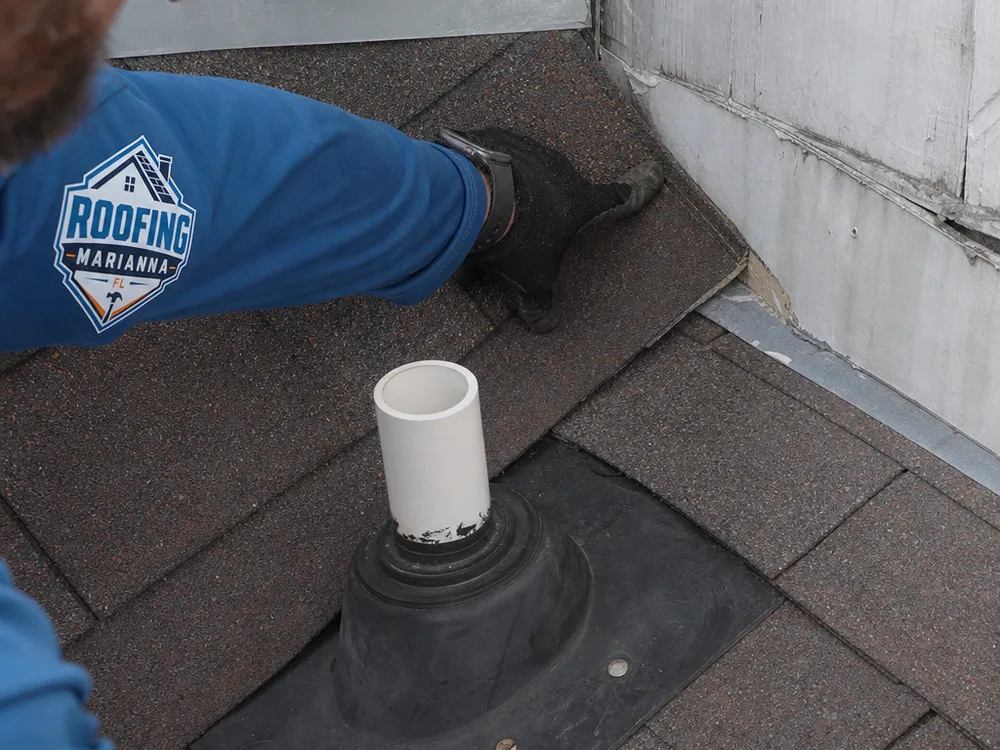
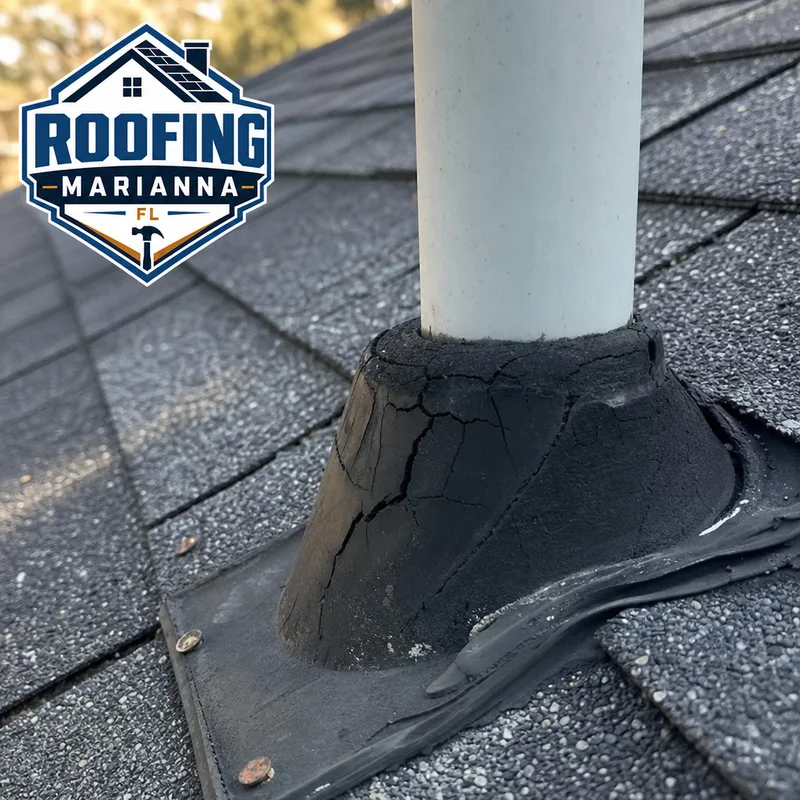
Plumbing vent boots, pipe collars, skylights, and other penetrations are common leak origins. We check sealant condition and how flashing integrates with the roof covering.
Valleys move a lot of water. We check for debris buildup, worn valley metal, shingle wear tracks, and transition details where two roof planes meet.
Edge details control where water goes. We look for missing or loose drip edge, staining that suggests overflow, and gutter-related backflow that can rot roof decking over time.
We look for water staining, mold-like growth, wet insulation, daylight at penetrations, and ventilation red flags that can shorten shingle life.
Florida storms can leave subtle damage that later becomes a leak. We note bruised shingles, displaced ridge caps, and damage near trees or roof accessories.
When to inspect
Most inspections happen for a specific trigger. If any of these sound familiar, an on-roof look can give you clarity fast.
In Marianna, humidity and frequent rain make small entry points a bigger concern because damp decking and insulation can degrade quickly. That is why we prioritize flashing laps, valley condition, pipe boots, and edge metal.
If the inspection points to repair work, we can outline what is urgent and what can be scheduled.
Inspection to recommendations
A careful sequence helps us inspect safely, document relevant conditions, and give you a prioritized plan.
01
We ask what you have noticed—stains, drafts, recent storms, or past repairs—and confirm safe access points. If surfaces are slick, winds are high, or decking appears unstable, we adjust the approach.
02
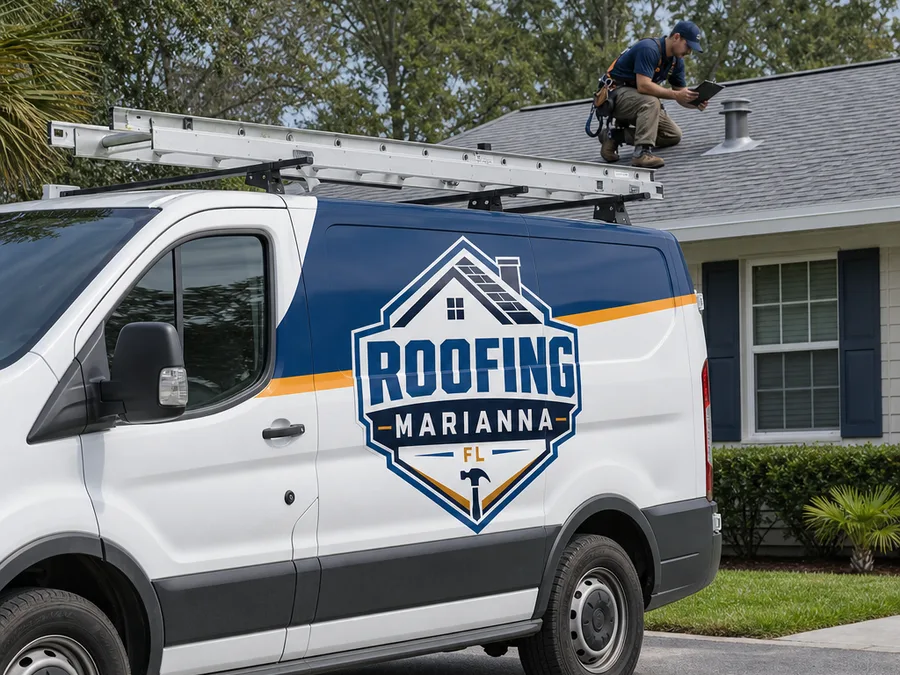
We evaluate the roof covering and the details that most often leak: penetrations, valleys, ridge and hip caps, edges, and low-slope sections. We document concerns with photos when possible.
03
If attic access is available, we check for active moisture, staining patterns, ventilation issues, and visible decking conditions that support or rule out likely leak paths.
04
You get a plain-language summary of what is performing well, what is worn or damaged, the likely cause of leak symptoms, and a prioritized plan to monitor, repair, or plan ahead.
Inspection details
Clear answers before the visit
Most roof inspections take about 30 to 90 minutes, depending on roof size, pitch, the number of penetrations, and whether attic access is available. Complex rooflines with multiple valleys and transitions take longer because those areas need careful documentation.
Often, yes, because many leaks leave consistent clues such as staining patterns, deteriorated flashing, or an entry point at a penetration or valley. If conditions are inconclusive, we explain what we can confirm, what needs monitoring, and which additional steps would narrow it down.
You usually only need to be available at the start for a quick walkthrough of what you have noticed and to confirm access areas, especially for attic entry. If you cannot be present, we can still inspect the exterior in many cases and provide photo documentation.
If we find wind-related shingle displacement, missing components, or damaged flashing, we document it with photos and explain what is likely urgent versus what can be scheduled. If you are considering an insurance claim, the condition summary can help you decide your next move.
We only walk roofs when it is safe for your home and our team. Steep pitch, brittle shingles, wet surfaces, or signs of unstable decking can make walking risky; in those cases, we use alternative vantage points and tools to assess condition as thoroughly as possible.
Yes. A homeowner-focused inspection explains roof condition, likely leak points, and practical maintenance or repair steps, while insurance inspections follow the carrier's documentation requirements and coverage criteria. Tell us in advance if you need documentation for a specific purpose.
Start with a clear assessment
Schedule a roof inspection and get a straightforward summary of what we see, what matters now, and what can wait, so you can plan repairs with confidence.