Emergency roofing in Marianna, Florida

Emergency Roof Service Marianna FL

Fast leak control and storm-damage triage when your roof starts letting water in. We inspect, stabilize the problem area, and give you a clear plan for the next repair steps.

✓ Leak containment
✓ Storm-damage triage
✓ Clear next-step plan
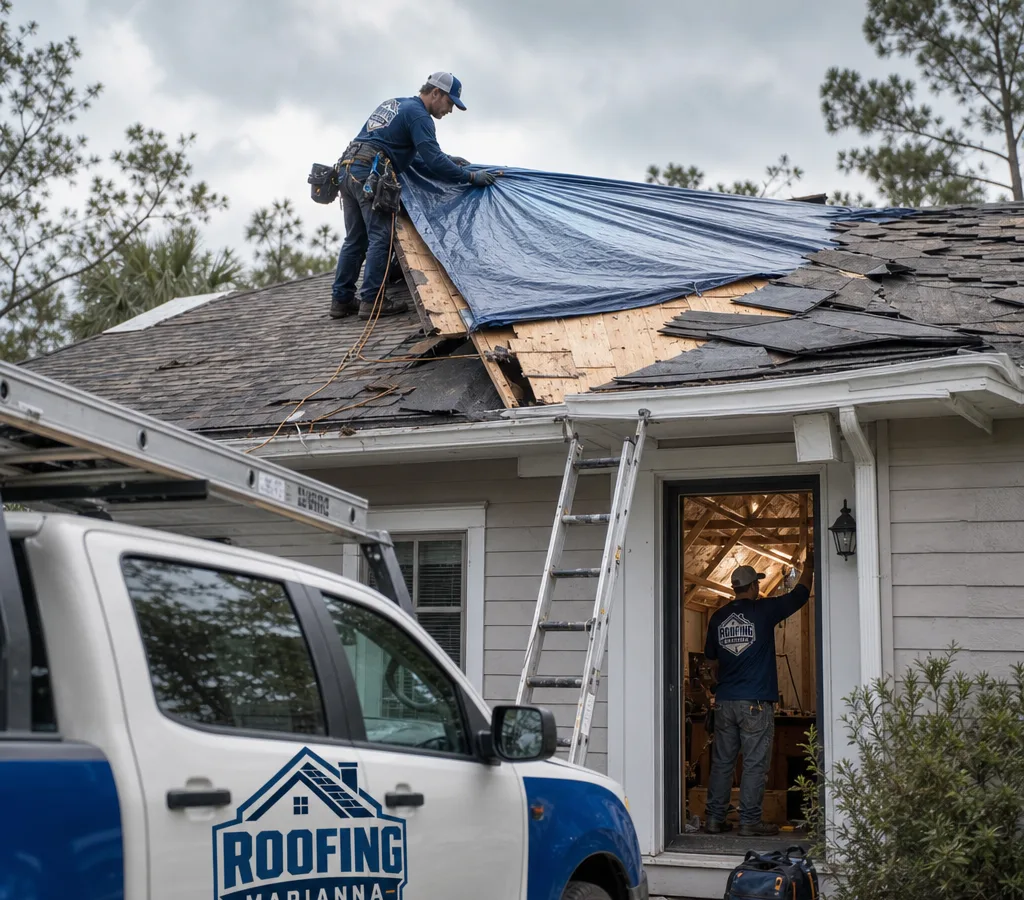
Roofing technician securing an emergency tarp on a storm-damaged Marianna roof while another technician checks for active attic leaks

When you need emergency help, the priority is stopping water now

If you searched emergency roof service Marianna FL, you likely have one urgent problem: water is getting where it should not. After wind and storm cells move through Jackson County, roof damage can show up fast—missing shingles, lifted flashing, a puncture from debris, or a leak that starts at a vent boot and runs along rafters before it shows on your ceiling.

Emergency roof work is different than a planned repair. The goal is to stabilize the roof, reduce interior damage, and make the home safe while you line up the correct permanent fix. That usually means:

  • ✓Finding the entry point, which is often not directly above the stain.
  • ✓Controlling the leak with temporary protection, such as tarping or sealing, where appropriate.
  • ✓Documenting visible conditions with photos and notes for your records.
  • ✓Recommending the next repair step and explaining how soon it should happen.

Roofing Marianna FL responds with a practical approach: contain the water first, then confirm the scope so the permanent repair matches what the roof actually needs.
Immediate service scope

Emergency roof service in Marianna: what we can do right away

Emergency tarping and temporary dry-in

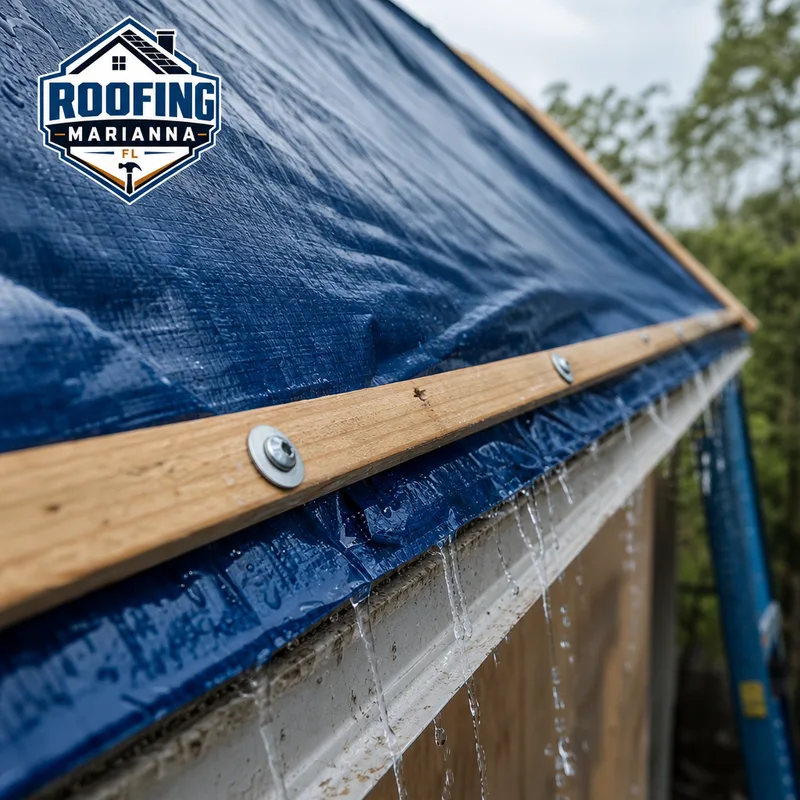
When shingles or decking are exposed, a properly secured tarp can keep rain out until materials and conditions allow a permanent repair. Attachment method matters; a loose tarp can create more damage in the next wind event.

Active leak tracing

We look for common leak pathways at valleys, penetrations, flashing transitions, and around chimneys where applicable. Water can travel along underlayment, decking seams, and framing before it shows inside.

Wind damage stabilization

Lifted or creased shingles, displaced ridge caps, and damaged flashing can sometimes be stabilized to reduce blow-off risk. We focus on what will actually hold through changing weather.

Debris impact and puncture response

Branches and wind-blown debris can puncture shingles and underlayment. We assess whether the area can be temporarily sealed or should be covered until the damaged section is repaired.

Interior protection guidance

If water is already inside, we can advise on practical steps like moving valuables, catching drips, and reducing ceiling load risk while the exterior is being addressed.

Written next-step plan

After the emergency is contained, you get a clear outline of what should be repaired or replaced, what can wait, and what should be monitored after the next rain.

Protect people and property

What to do while you wait for emergency roof help

If you have an active leak, safety comes first.

  1. 1)Keep people away from bulging or sagging ceilings. A ceiling that is holding water can fail without warning.
  2. 2)Put a container under drips and move furniture, electronics, and rugs out of the path. If you have a ceiling stain, the drip point may shift as the water finds a new route.
  3. 3)If water is near lights or outlets, turn off power to the affected area at the breaker if you can do it safely.
  4. 4)Avoid climbing on the roof, especially after rain or during wind. Wet shingles and storm debris make falls much more likely, and stepping on damaged areas can break more of the roof.

Once we arrive, we start with a quick exterior and interior check to locate the most likely entry points, then move into containment—tarping or temporary dry-in—based on roof type, pitch, and access.

Book Your Inspection
Properly installed emergency roof tarp secured at the eave with batten boards so rainwater sheds without loose edges

Triage to follow-up

Our emergency roof service process in Marianna, FL

We prioritize safety and water control first, then document the damage and define the permanent repair.

01

Rapid triage and safety check

We confirm access points, note any downed limbs or unstable areas, and prioritize stopping active water intrusion. If weather is still severe, we plan the safest temporary stabilization possible.

02

Leak source investigation

We inspect common failure points: flashing at transitions, valleys, pipe boots, ridge and hip caps, exposed fasteners on applicable systems, and areas where shingles have lifted or creased.

03

Temporary protection (as needed)

We tarp or dry-in the affected section to keep the interior protected until repairs can be completed. The method depends on the damage pattern and what will hold in wind and rain.

04

Scope confirmation for permanent repair

We document visible damage and explain what a permanent repair would involve, including material matching issues or suspected damage to decking, underlayment, or flashing.

05

Repair scheduling and follow-up plan

We outline next steps, timing, and what to watch for after the next rainfall. If additional issues appear, we adjust the repair plan based on what the roof shows, not guesses.

Book Your Inspection

Jackson County storm wear

Common storm-related roof problems we see locally

In and around Marianna, emergency roof calls often come down to a few repeat patterns after windy weather:

  • ✓Shingle blow-offs and lifted tabs that let wind-driven rain get under the roof covering.
  • ✓Flashing separation at roof-to-wall transitions where water can run behind the metal and into the structure.
  • ✓Valley issues where debris collects and concentrates water flow.
  • ✓Pipe boot cracks or pulled fasteners at roof penetrations.
  • ✓Ridge cap damage that opens a pathway along the highest point of the roof.

Water damage is not always obvious right away. A small opening can soak insulation or stain drywall hours after the rain ends. If you smell dampness in the attic, see new stains, or notice shingle debris around the yard, it is worth getting the roof checked before the next storm cycle.

If you are getting to know our crew for the first time, you can also learn more about Roofing Marianna FL on the home overview.

Book Your Inspection

Answers for an urgent situation

Emergency roof service Marianna FL: FAQs

How fast can you respond for emergency roof service in Marianna FL? +

Response time depends on weather conditions and the current storm-call volume, but the goal is to get a crew out as quickly as it is safe to do so. During active lightning, extreme winds, or unsafe roof conditions, the first step may be scheduling the earliest safe window and advising you on immediate interior protection until we can tarp or dry-in the roof.

Do you offer emergency roof tarping after storm damage? +

Yes, emergency tarping is one of the most effective ways to prevent further interior damage when shingles or decking are exposed. The tarp has to be secured in a way that will shed water and resist wind uplift, and the covered area should be sized to extend beyond the damage so water cannot run underneath.

Can you fix the roof permanently the same day? +

Sometimes, if the damaged area is small and materials are available, a permanent repair can happen the same day. If the damage is widespread, involves multiple slopes, or requires matching materials and additional components like flashing or decking replacement, the emergency visit focuses on stopping water intrusion first and then scheduling the correct repair.

What information should I have ready when I request emergency service? +

The most helpful details are where you see water inside, when it started, whether you see missing shingles or debris impact outside, and whether you can safely access the attic to note wet areas. Photos of the interior stain and any visible roof damage can speed up triage, especially during storms.

Will a tarp damage my roof? +

A properly installed emergency tarp should minimize additional damage, but any temporary attachment method has tradeoffs. We aim to place fasteners where they can be addressed during the permanent repair and to avoid creating new leak paths, while still securing the tarp tightly enough to hold in wind and rain.

What causes water stains even when the roof leak seems small? +

Roof leaks often travel before they show up inside. Water can move along underlayment, decking seams, or framing members, then drip at a lower point, which is why the stain is not always directly below the opening. Leak tracing focuses on finding the entry point, not just the visible interior symptom.

Protect your home now

Need emergency roof help in Marianna?

Tell us what you are seeing and when it started. We will prioritize stopping the leak, protecting the interior, and giving you a clear next step for the permanent repair.